30 March 2026 · 14 min read
Best Leaflet Delivery Tracking Apps: Honest Comparison for UK Businesses
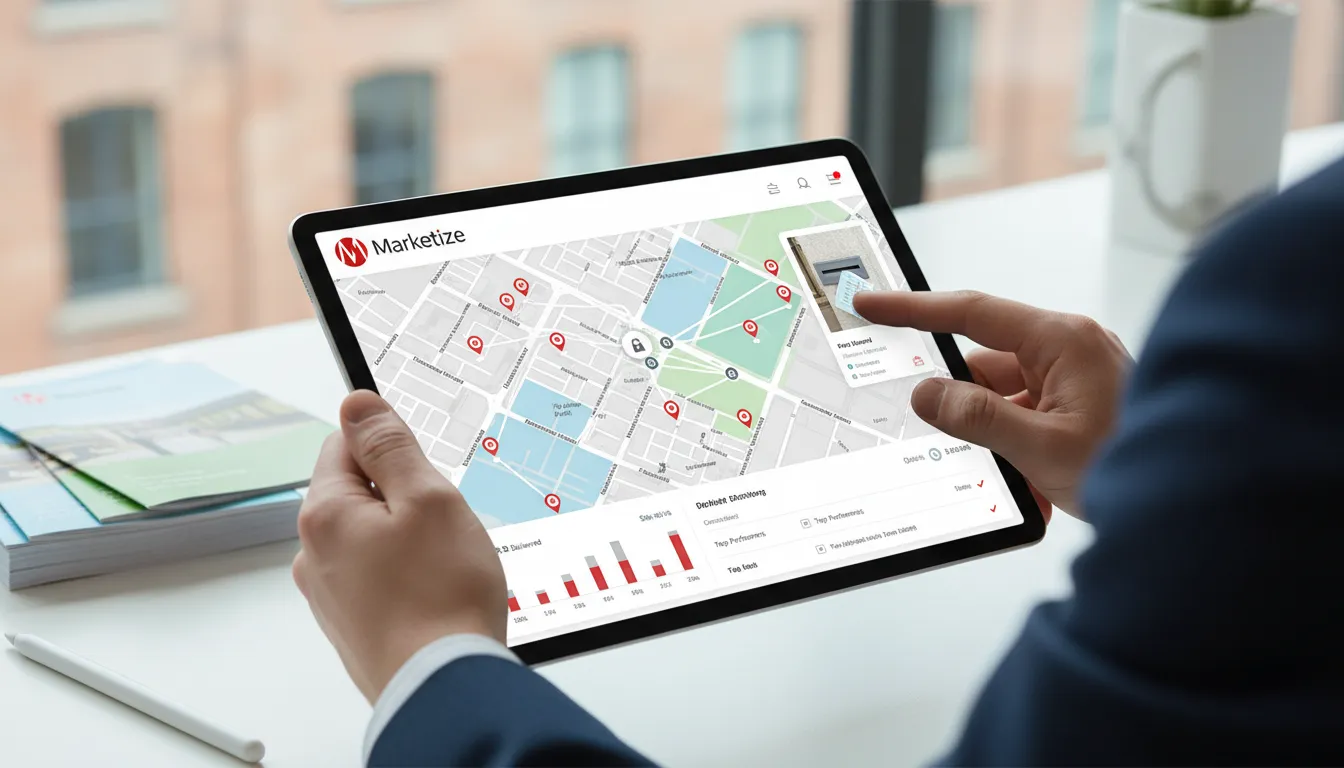
Choosing leaflet distribution tracking apps shouldn't feel like comparing mobile phone contracts — pages of features you'll never use, vague promises about "coverage," and pricing structures that only make sense after three coffees and a calculator.
What you actually need is simple: proof your leaflets got delivered where you paid for them to go, when they were supposed to go there, and evidence that makes fraud impossible. If you're new to all of this, Leaflet Distribution Fundamentals is a good place to start before diving into which app to choose.
Some apps provide this well. Others talk a good game but fall short when it matters. A few do the job adequately if you're willing to work around their limitations.
This is an honest comparison of the leaflet distribution tracking apps and platforms operating in the UK market right now — what they do well, where they fall short, and which ones suit different types of campaigns.
What Actually Matters in Leaflet Delivery Tracking Apps
Before comparing specific platforms, understand what separates useful route tracking for leaflet delivery from security theatre.
GPS Tracking That Works Everywhere
The app needs to record location continuously — not just when signal is strong. Rural areas, dense housing, basements in urban buildings — all create GPS dead zones. Apps that only record when signal is available produce routes with gaps. Those gaps hide problems. To understand why this matters, How Leaflet Distribution Works covers the full picture of what a properly tracked campaign looks like from start to finish.
Look for offline GPS storage that syncs when connection returns. This gives you complete trails regardless of signal quality during distribution.
Timestamped, Geotagged Photo Verification
GPS shows where someone walked. Photos prove they carried leaflets and delivered them. The best leaflet tracking apps integrate photos directly onto the GPS map — click a location, see the photo taken there. For a detailed breakdown of exactly what valid GPS proof of delivery looks like and what data it captures, Marketize's dedicated guide covers every element.
Photos need embedded geotags (GPS coordinates baked into the image file). Otherwise, distributors can upload old photos from their camera roll and claim they were taken during distribution. The timestamps should match the distribution window, and photos should spread evenly across the route.
Letterbox Count Cross-Referencing
This is where good apps become excellent. The software knows how many letterboxes exist on every street. It compares the distributor's GPS route against this data. If they claim 5,000 leaflets delivered but their route only covered streets containing 3,200 letterboxes, the maths reveals the problem.
Most apps don't offer this. The ones that do catch selective skipping — where distributors walk routes but avoid difficult properties. Wondering how many leaflets you actually need before worrying about verification? How Many Leaflets Do I Need? gives you a practical answer based on area and campaign goals.
Payment Protection
The best setup? Apps with integrated escrow-style payment holding. Money releases only once delivery is verified. Clients don't pay for work that didn't happen. Distributors don't waste time chasing invoices.
Apps without this force you to handle payment separately — which basically brings back the trust problem that tracking was meant to eliminate.
Dispute Resolution
When GPS data looks suspicious or coverage seems incomplete, someone needs to make the call. Apps with neutral third-party dispute resolution review evidence and determine fair outcomes. Apps without this leave clients and distributors arguing directly — often ending badly for whoever has less leverage.
The UK Market: Who's Actually Operating
The leaflet distribution tracking landscape has fewer players than you'd expect. Some traditional distribution companies built proprietary apps. Some platforms emerged specifically to solve tracking problems. Others are generic GPS tools repurposed for leaflet work. For context on how the industry has evolved and what technology in leaflet distribution looks like in 2026, it's worth understanding what separates modern platforms from legacy setups.
Platform-Based Solutions (Full Marketplace Integration)
These platforms connect clients with distributors and bundle tracking into the whole package.
Marketize
What it does well: Built specifically for leaflet distribution by people who've spent 44 years in the industry. Offline GPS storage eliminates tracking gaps. Photos appear as clickable pins on the GPS map with embedded geotags and timestamps. Letterbox counting tools cross-check routes against known address data. Escrow-style payment protection keeps funds locked until delivery gets verified. When problems crop up, neutral dispute resolution steps in and reviews the evidence.
The platform provides demographic targeting overlays — filter areas by income, age, property type, family composition. The map-drawing tools let you trace coverage areas and get instant letterbox counts before ordering leaflets. To see exactly how the leaflet distribution system works end-to-end — from placing a campaign to reviewing proof — Marketize's How It Works page walks through every step.
Where it's suited: Businesses wanting end-to-end accountability with payment protection. Good for first-time leaflet distribution campaigns where you're unfamiliar with distributors. Strong for testing new areas because demographic targeting prevents waste. Works for any scale — 500 leaflets to 100,000+.
Limitations: Relatively new platform, so distributor coverage is still building in some regions. The learning curve is slightly steeper than simpler apps because it offers more functionality. You can explore the full range of leaflet distribution services available on the platform before committing.
Dor-2-Dor / Leaflet Network
Established distribution companies that built tracking into their proprietary systems. You're working with their in-house distributors or franchise network, not browsing an open marketplace.
What they do well: GPS tracking is standard. Photos are required. The companies have been operating for years, so systems are stable and coverage is extensive.
Where they're suited: Businesses that prefer working with established companies over individual distributors. Good if brand recognition matters to you and you want a known name handling the work.
Limitations: You're stuck with their distributor network — no comparing rates across different providers and no choosing based on ratings. Leaflet distribution cost runs higher than marketplace platforms because you're covering company overhead. Payment protection? That's down to their internal policies, not independent escrow. And when disputes happen, the company reviews its own distributors' work, which isn't exactly neutral.
Distributor-Only Apps (Self-Employed Workers)
These are tools individual distributors use for tracking. You hire the distributor directly, they use one of these apps to show you proof. If you're looking to find leaflet distributors who already use verified tracking tools, Marketize's marketplace lists distributors alongside their GPS-tracked completion history.
Generic GPS Tracking Apps (e.g., Life360, GPS Logger, Strava)
Some distributors use consumer GPS apps that were never designed for commercial tracking.
What they do well: They cost nothing or next to nothing. They record routes. If the distributor is honest, they provide basic location proof.
Where they're suited: Very small local campaigns (under 1,000 leaflets) with distributors you already know and trust. Better than no tracking at all.
Limitations: No photo verification integration. No letterbox count verification. No payment protection. No dispute resolution. Routes can have significant gaps depending on app quality. Timestamps might not be accurate. You're trusting the distributor hasn't manipulated the data — and these apps make manipulation relatively easy.
Honestly? If a distributor offers to track your campaign with Strava, find a different distributor.
Purpose-Built Distributor Apps (Custom Solutions)
Some experienced distributors or small agencies built their own tracking systems — usually basic apps that log GPS and take photos.
What they do well: Better than generic apps because they're designed specifically for distribution work. Often include timestamped photos.
Where they're suited: Working with established local distributors who've put money into proper tools. If you want to understand how the software layer works, how leaflet distribution software works explains the underlying systems in plain English.
Limitations: No standardisation — every distributor's system works differently. No independent verification. No payment protection. No dispute resolution. You're taking the distributor's word that their custom app is reliable and hasn't been tampered with.
Feature Comparison: What You Get Where
Here's what actually matters broken down by platform type, including the route tracking for leaflet delivery capabilities that separate platforms at the top of the market from those at the bottom.
GPS Tracking Quality
Excellent: Marketize (offline storage, continuous recording, no gaps)
Good: Dor-2-Dor, Leaflet Network (standard GPS, some gaps possible in poor signal areas)
Variable: Custom distributor apps (depends entirely on which one they built)
Poor: Generic consumer GPS apps (frequent gaps, inconsistent accuracy)
Photo Verification
Excellent: Marketize (geotagged, timestamped, integrated onto GPS map as clickable pins)
Good: Dor-2-Dor, Leaflet Network (photos required, timestamped, though integration varies)
Variable: Custom distributor apps (some include photos, many don't)
Poor/None: Generic GPS apps (not designed for photo verification)
Letterbox Count Verification
Available: Marketize only
Not available: All other options
This is a significant differentiator. Cross-referencing GPS routes against known letterbox data catches problems other systems miss. It's also what makes GPS proof of delivery on Marketize more thorough than a basic GPS trail.
Payment Protection
Escrow-style protection: Marketize (independent holding, releases on verified completion)
Company policy: Dor-2-Dor, Leaflet Network (payment terms set by company)
None: Direct distributor arrangements, generic apps (you handle payment separately)
Dispute Resolution
Independent third party: Marketize (reviews GPS, photos, communications, makes binding determinations)
Company internal: Dor-2-Dor, Leaflet Network (company reviews own distributors' work)
None: Direct arrangements (you and distributor argue it out)
Cost Structure
Platform commission: Marketize (5–10% of distribution cost, all tools free to distributors)
Company rates: Dor-2-Dor, Leaflet Network (generally higher, company sets pricing)
Distributor rates: Direct arrangements (negotiate individually, but no tracking oversight)
App cost: Generic apps (free or £5–10/month, but you get what you pay for)
Which App Suits Which Campaign
First-Time Campaigns or Unfamiliar Areas
Best choice: Marketize
Payment protection eliminates the risk of paying for undelivered work. Distributor ratings and completion history help you pick someone reliable. Letterbox counting stops you ordering the wrong quantities. Demographic targeting stops you distributing to areas unlikely to respond.
The learning curve is worth it when you're unfamiliar with either leaflet distribution generally or the specific area you're targeting. If you're weighing up the broader question of what leaflet distribution in 2026 looks like — from tech standards to pricing expectations — that guide gives you the full context before you start.
Established Relationships with Trusted Distributors
Best choice: Whatever system your distributor uses, as long as it includes GPS and photos
If you've worked with the same distributor for three years and they've never let you down, the tracking system matters less. You're verifying rather than policing.
Just ensure they're using something better than a generic consumer app. Proper GPS tracking and timestamped photos should be minimum requirements even with trusted partners.
Large-Scale or Multi-Location Campaigns
Best choice: Marketize or established company (Dor-2-Dor, Leaflet Network)
You need consistent route tracking for leaflet delivery standards across all distributors. Marketplace platforms give you standardised tracking regardless of who completes each job. Established companies provide this through their franchise/employee network.
Avoid mixing different tracking systems across the same campaign — data becomes impossible to compare.
Budget-Constrained Local Campaigns
Acceptable choice: Direct arrangement with local distributor using purpose-built app
Platform commissions and company rates add cost. If budget is genuinely tight and you're running a small local campaign (2,000–5,000 leaflets), working directly with a local distributor using their own tracking app can work. For a clear view on what prices actually look like across the market, the UK leaflet distribution prices guide for 2026 breaks down costs by campaign size, area type, and service level so you know what's reasonable.
Just ensure they provide GPS trails and photos. Review the proof carefully before paying. Accept you have no payment protection or dispute resolution — you're back to trust-based distribution, just with basic verification.
Not recommended: Generic GPS apps or no tracking at all. The money saved isn't worth the risk.
Political Campaigns or Compliance-Sensitive Work
Best choice: Marketize or an established company with comprehensive documentation
You need auditable GPS proof of delivery for regulatory or accountability purposes. GPS trails, timestamped photos, letterbox count verification, archived records — these give you that proof. Consumer apps and basic custom solutions don't produce documentation that holds up for compliance.
The Honest Truth About "Best"
There's no single best leaflet tracking app that works for everyone. What fits depends on your situation.
New to leaflet distribution or don't have established distributor relationships? Marketize gives you the most complete protection and verification.
Prefer working with established companies and care about brand recognition? Dor-2-Dor or Leaflet Network provide reliable tracking through names you know.
Got trusted local distributors you've worked with successfully? Their existing tracking system probably does the job fine — as long as it includes GPS and photos.
If you're genuinely price-sensitive on a small local campaign, direct arrangements with verified tracking can work, but understand you're accepting more risk.
What doesn't work is no tracking at all, or tracking so basic it's easily manipulated. The days of distributing leaflets on trust alone are over. The technology in leaflet distribution exists and is now standard. Use it.
What to Ask Before Choosing
When evaluating leaflet delivery tracking apps, ask these questions. For a deeper look at the underlying leaflet distribution tracking system — how GPS data is captured, stored, and verified — Marketize's How It Works page answers these in full:
- Does GPS recording continue when signal is unavailable? Gaps in routes hide problems. Offline storage matters.
- Are photos geotagged and timestamped automatically? If distributors can upload photos taken elsewhere, the verification is worthless.
- How is payment handled? Escrow protection, company policy, or you're on your own?
- What happens if there's a dispute? Independent review, company reviews itself, or you argue directly with the distributor?
- Can I see distributor track records? Ratings, completion history, and reviews help you choose reliably.
- What does letterbox count verification show? Does the system cross-reference routes against known address data, or just show you a map?
The answers reveal whether you're getting genuine accountability or just going through the motions.
Implementation: Using Tracking Effectively
Having good tracking software means nothing if you don't use it properly.
Review proof before confirming completion. Don't just assume the GPS looks fine. Check route completeness, timing realism, photo distribution, and letterbox count matches. Most platforms give you 24–48 hours to review — use that time.
Compare distributor performance over multiple campaigns. Track who completes work fastest, provides clearest photos, communicates well when issues arise. Choose them for future work. If you're ready to become a leaflet distributor in 2026 yourself, or want to understand how distributors use these tools from the other side, that guide covers the process from signup to first completed job.
Keep the data. GPS trails and photos are archived proof. If questions arise months later — Did we cover that area? When did we last distribute there? — the records answer them.
Don't over-rely on real-time watching. Some business owners obsessively watch live GPS during distribution. This wastes your time. Check it once or twice if you're curious, then review everything properly after completion.
The best leaflet tracking apps transform distribution from a hope-based exercise into verifiable marketing. They don't make your creative better, don't improve your targeting, and don't write your offer. But they eliminate the uncertainty about whether distribution actually happened.
Ready to Run a Tracked Campaign?
For more on how GPS tracking works and what data to look for when reviewing proof, What is GPS Tracked Leaflet Delivery covers every element in plain English. If you want to understand the cost side before committing, the leaflet distribution prices UK guide for 2026 breaks down what you should expect to pay at every scale.
Businesses running regular campaigns can explore the full Marketize campaigns dashboard to plan, order, and monitor distribution in one place. And if you're weighing up the broader opportunity — including whether leaflet distribution in 2026 still delivers real ROI against digital channels — that guide covers the evidence honestly.
Whether you're new to leaflet marketing and want to understand the fundamentals of leaflet distribution, or you need a flexible income stream and want to explore leaflet distribution jobs near me, student leaflet distribution jobs in 2026, or leaflet distribution jobs for over 60s — Marketize connects the right people on both sides of every campaign.
The tools exist now. Choose one that actually works.